
The new DCU Universe (DCU) under the stewardship of James Gunn is officially experiencing a severe case of cinematic vertigo. It stands as absolute proof that simply playing musical chairs with director seats and hitting the collective reset button was never going to be the quick-fix, magic cure-all that Warner Bros. Discovery so desperately craved.
How It Started
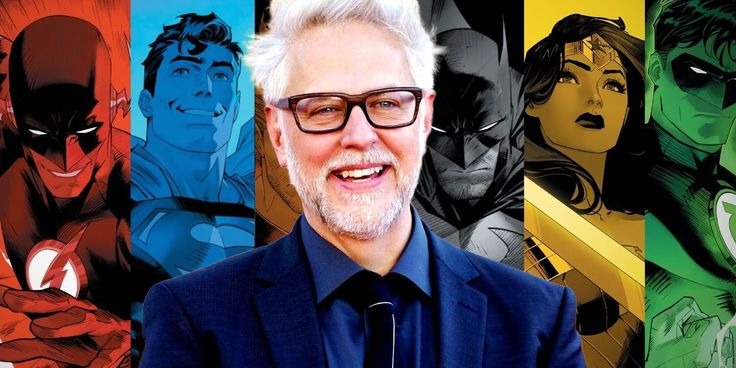
The general public was overwhelmingly receptive to the announcement in 2023 of Chapter One: Gods and Monsters, comprising five films and five television series designed to construct a unified storytelling universe. The theatrical features at the time included Superman, Supergirl: Woman of Tomorrow, The Authority, The Brave and the Bold, and Swamp Thing. On the television front, Max was set to feature the animated Creature Commandos alongside live-action projects like Waller, Lanterns, Paradise Lost, and Booster Gold.
But then, the backtracking and reshuffling began…
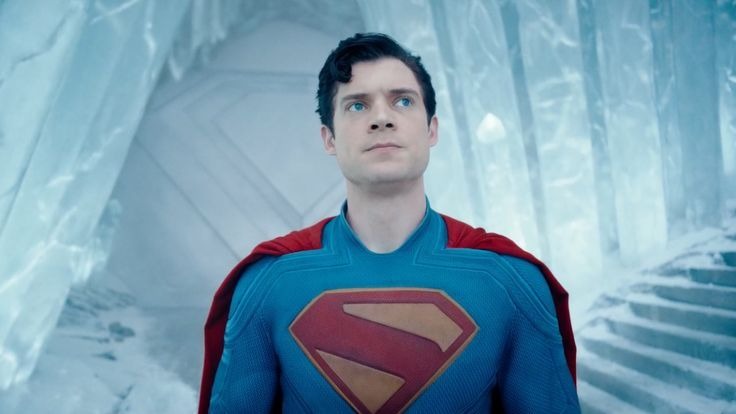
After the theatrical releases of Superman and Supergirl, several projects were either canceled, shelved, or left in limbo. The live-action series Waller (set to feature Oscar winner Viola Davis) and Wonder Woman prequel drama Paradise Lost have both been officially canceled and removed from the current lineup. On the big screen, James Gunn announced The Authority has been shelved. Booster Gold has been put on hold while Gunn searches for a new creative team to helm the project, and both The Brave and the Bold (the Robert Pattinson-less DCU Batman film) and Swamp Thing are still in the early stages of development.
The Receipts Tell the Tale
Written and directed by James Gunn, Superman swapped out arguably the best actor to fill the role since Christopher Reeve, Henry Cavill, and swapped in David Corenswet. Under the new DCU banner, 2015’s Superman pulled in a respectable $615 million at the box office, but critics noted the release played it safe and didn’t break new ground with the man from Krypton. This summer, Craig Gillespie gave us Supergirl, which mightily underperformed at the box office with just $126 million worldwide against a reported $200+ million dollar budget budget. By the film’s second week, the writing was on the wall, and it was clear that the still-new DCU was already in crisis mode. Here are some of the reasons why this cinematic reboot is failing to connect with audiences — and what James Gunn and those in charge of the brand can do to revitalize the DC brand.
Quash the Quirk
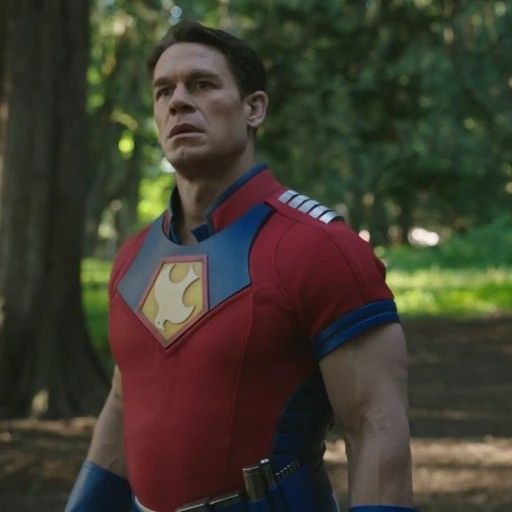
James Gunn possesses a singular style of writing and directing that is known for its quips, quirky humor, and obscure comic book references that worked perfectly for Marvel’s Guardians of the Galaxy franchise. At the time, it was seen as a fresh, slightly campy take that seamlessly showcased a group of comic oddballs. But since jumping ship to the DCU, that style has not always translated into success. Aside from Peacemaker with John Cena, the end result has not been as well-received, and some would even say it hasn’t been a fit at all. Most moviegoers don’t want the same tone used in Guardians of the Galaxy applied to the entire slate of films at DCU. Instead, it seems fans want a new direction for iconic characters instead of carbon copies of what they’ve already been presented.
We have seen Superman so many times that it is not difficult to steer that franchise to success, as it has a firm imprint in the zeitgeist, but Supergirl suffered from bad marketing, bad timing, and a tone that alienated summer audiences who were probably expecting a wild romp instead of a dark, borderline, intergalactic space horror. And was it really the best play to debut Supergirl after audiences had just gotten Superman the previous summer? Even diehard comic book fans may have been Super-ed out.
Questionable (Re)Casting
The golden rule has been broken when it comes to the DCU:
If it ain’t broke, don’t try and fix it!
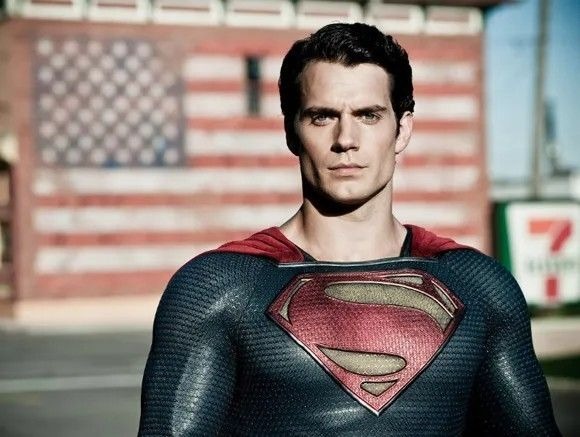
Henry Cavill, Gal Gadot, and Jason Momoa were robbed of seeing their portrayals properly to the end of any type of real arc – all gone with the snap of a Gunn finger, with no real reason ever given aside from the desire to start with a clean slate. But why remove the best parts of the old DCEU, the few roles that most audiences seemed to connect to? Does it make any sense?
For months after Gunn took over, speculation went back and forth as to whether these stars were truly canned or if they would be given a second chance under the reconstituted DCU. As time went on, however, all three were officially released, and as of today, only Cavill has been replaced. His replacement is David Corenswet, aka ‘Temu Cavill’. Jason Momoa shows up in Supergirl, but considering no one really saw the film, does it even matter now? Corenswet has been fine for most people, but with Jason Momoa standing on iffy footing and no new Wonder Woman actress in sight, the DCU doesn’t currently have the entire Trinity (Batman, Superman, Wonder Woman) cast yet, and it is a gaping hole in the algorithm for avid fans.
Icons On Ice
How can we sustain an entire multi-million-dollar franchise when the crown jewels are left gathering dust? While niche, fringe comic book characters like the Creature Commandos and Clayface are angling now for time in the spotlight, cornerstone icons like Batman and Wonder Woman remain trapped in endless development limbo without a single definitive theatrical release date in sight. You simply cannot expect mainstream audiences to care about the outer fringes of a comic book universe when the heavy hitters are completely missing in action.
Instead of recklessly plunging headfirst into obscure comic book character spin-offs and sprawling cosmic lore that casual audiences couldn’t care less about, Chapter One demanded a rock-solid, old-school foundation. We needed three definitive, consecutive solo films of Superman, Batman, and Wonder Woman. Period. By refusing to give audiences a firm, uninterrupted look at the core heroes first, the studio risks fracturing its creative anchor before it can even branch off into highly volatile, risky space adventures. The mission should be to establish the royalty before inviting us to the rest of the kingdom.
The Smoking Gunn
Let’s give credit where it’s due: James Gunn is a phenomenal director with a brilliant, idiosyncratic mind. But there is a massive, dangerous difference between being a visionary auteur and acting as a studio executive overseeing an entire cinematic universe. He must resist the urge to inject his distinct stylistic tropes into every corner of this world. Case in point: Supergirl. That property needed to completely embrace its natural, epic sci-fi source material—pure, unadulterated, and sweeping. Instead, there is a looming dread that it will be bogged down by those all-too-familiar, tongue-in-cheek superhero mannerisms. Give your hired filmmakers complete, uncompromised freedom, or suffer the fatigue of creative monotony.
Elseworlds, Elsewhere
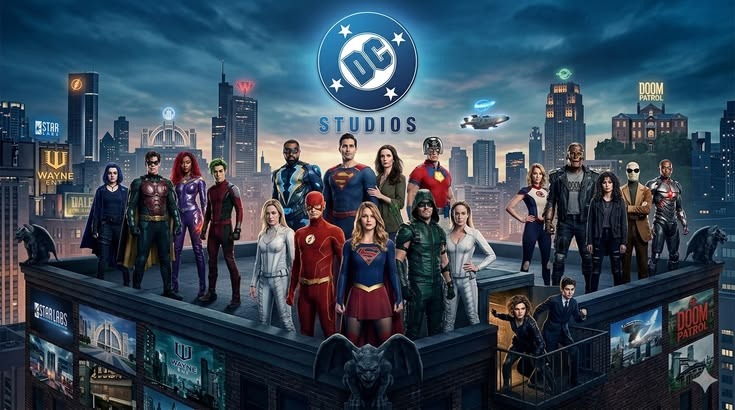
If Warner Bros. truly wanted to test the waters with operatic space odysseys, eccentric team-ups, or bizarre genre experiments, the mechanism was already sitting right in front of them: the standalone Elseworlds banner. That is where you isolate the high-risk gambles. Funneling those eccentricities through Elseworlds would have kept the mainline DCU laser-focused, narratively cohesive, and incredibly easy for casual moviegoers to follow. By failing to use it as a soft launchpad, they are unnecessarily risking the commercial viability of the main timeline on creative whims that belong in the margins, not the mainstream.
A Bust of a Reboot?
Warner Bros. CEO David Zaslav has finally broken his silence on the studio’s future strategy, but let’s be entirely honest: DC Studios is on a razor’s edge, and the room for error has officially vanished. With internet circles loudly clamoring for alternative creative directions, the upcoming slate faces an incredibly steep uphill battle. Look no further than Clayface dropping later this year — a choice that perfectly encapsulates the current identity crisis. James Gunn needs to pivot immediately. The time for niche, Comic-Con pandering is over. If DC wants to survive, it must return to the foundational, larger-than-life heroics that made these comic book characters global pop culture icons.
About The Author


