
When most people book a trip to Morocco, they immediately head toward the familiar circuit: Marrakech, Fes, Casablanca, perhaps a luxury desert camp packaged neatly for social media. And while those destinations absolutely have their beauty, I don’t move like the traditional traveler anywhere I go in the world. And for my latest trip to Morocco, I found myself craving something slower, quieter, and far more connected to everyday Moroccan life.
That search led me south to Agadir — and eventually to the string of smaller towns that stretch along Morocco’s Atlantic coastline and into the Anti-Atlas mountains. What I discovered felt less like a tourist itinerary and more like a living portrait of contemporary Morocco: surf villages, gorgeous mountain towns, roadside cafés overlooking the ocean, local markets untouched by heavy tourism, and some of the most visually captivating landscapes I’ve seen anywhere in the region.
This was not the polished Morocco of curated riads and overcrowded medinas. This was something more authentic.
And honestly, far more memorable.
Agadir: The Gateway to Morocco’s Southern Coast
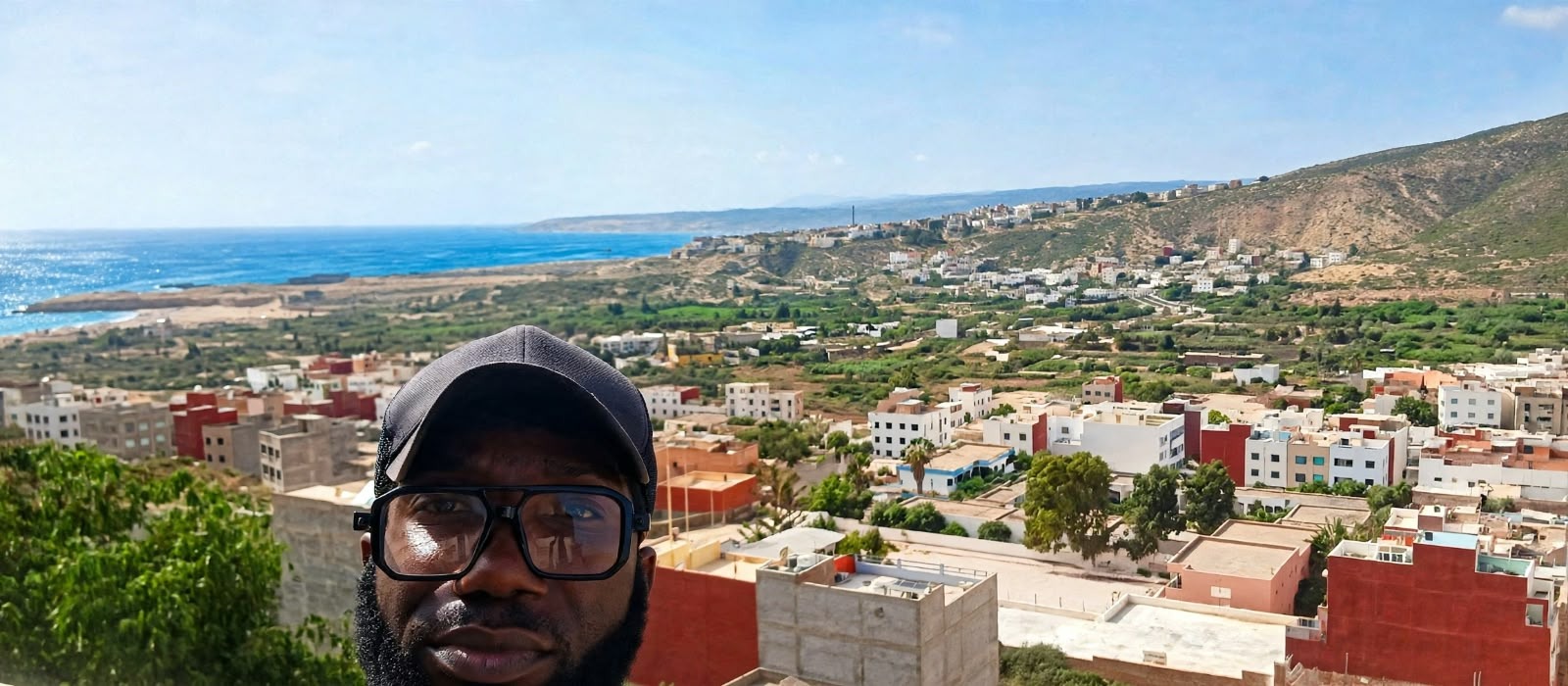
Agadir itself served as my entry point into the region, landing after midnight and immediately slapped with a hot gust of wind when I ventured outside for a taxi. Unlike Marrakech, the city feels expansive and way more relaxed, and the lack of chaos on the streets was a welcome surprise from my normal trips, arguably the country’s most popular destination. With wide boulevards, beachfront promenades, and a calmer rhythm that immediately lowers your blood pressure, I soon found I didn’t need as much time away from it all on my terrace after a day out. It’s not trying to overwhelm visitors with spectacle, and the locals seamlessly interweave with those on vacay. For me, Agadir served as my launching point for exploring the surrounding coastal and mountain communities that many international tourists completely overlook.
I stayed between a mix of modest guesthouses and riyadhs throughout the region, each with its own personality — from surf hostels filled with European backpackers to family-run guesthouses where mornings began with homemade bread, mint tea, and conversations that stretched far longer than expected. My advice is to book a night or two at one place and test it out. If you don’t like it, leave and find another one. In this part of the country, everything is laidback, and your vibe should serve as your compass and ultimate guide.
That variety became part of the experience itself.
Anza: Morocco’s Quiet Creative Coast
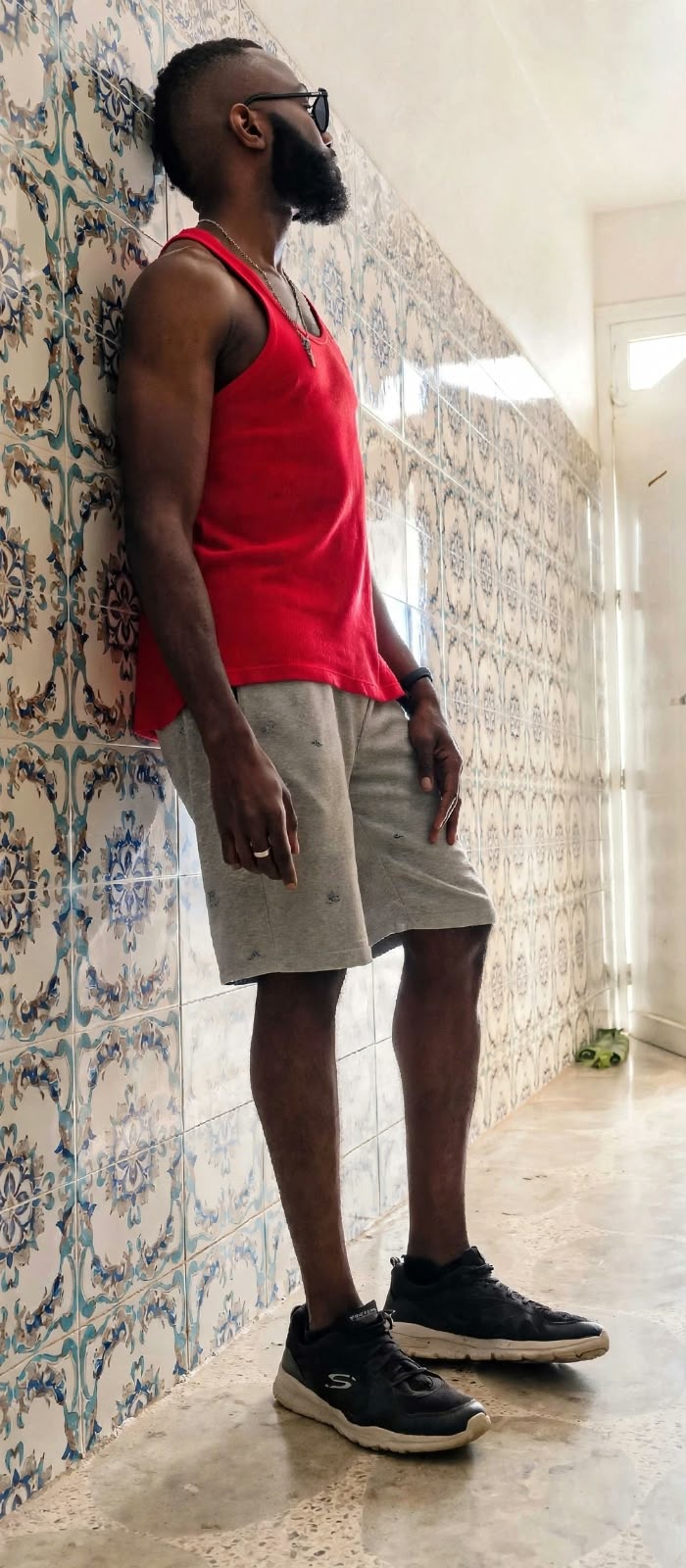
Just north of Agadir sits Anza, one of the hidden treasure communities in the country. Less polished and far quieter than Agadir, Anza feels like a place suspended between local fishing culture and emerging creative energy. Luckily, my place was literally but a stone’s throw from the magic of the ocean.
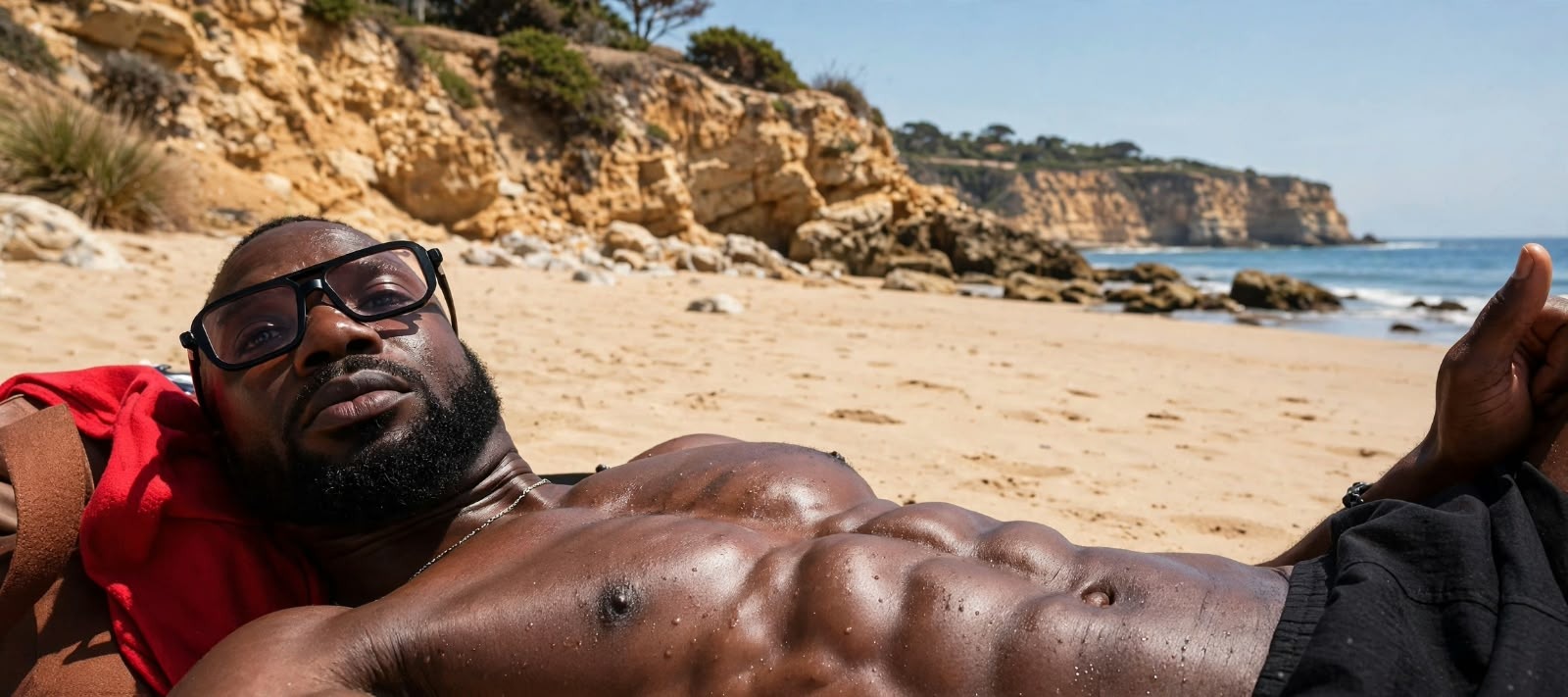
The beaches here are serene and uncrowded, framed by rugged cliffs and Atlantic waves that seem to stretch endlessly into the horizon. Surf culture exists here in abundance, and locals tout it as offering some of the best surfing weather in the world, but without the hyper-commercialized atmosphere found in some larger destinations. I spent afternoons walking the shoreline, ordering brunch with local tea at local cafés overlooking the water, and people-watching as I am prone to do. I even managed to sunbathe for a while as surf instructors attempted to sell me on some lessons.
No, thanks. I’m good!
But that doesn’t mean I didn’t find the hot spots to drop into, and so can you when you’re in the neighborhood.
Taghzout: Surf Culture Without the Pretense
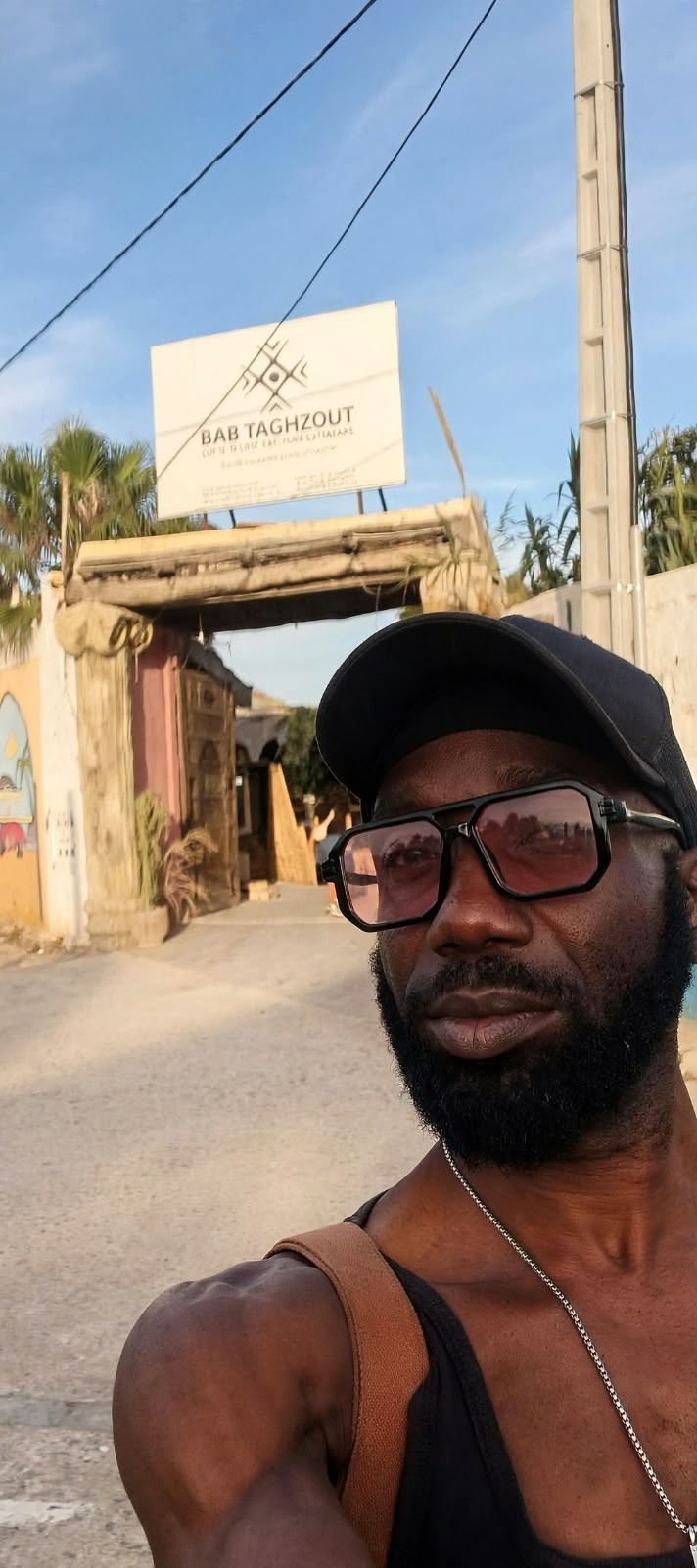
If you are truly into surfing, then this is a prime locale to get into the thick of the action. After haggling with a taxi driver for a few minutes, I managed a ride up north along the coast to Taghzout, a fishing village turned global surfing community hub that somehow still manages to retain much of its original charm.
Taghzout is where backpackers, surfers, artists, and locals all seem to coexist naturally. Some may even describe it as a hippie vibe. The town’s white-and-blue buildings spill toward the Atlantic while cafés and rooftop terraces fill with people watching the sunset over the water.
Beyond surfing, there’s plenty to explore:
- Paradise Valley and excursions into the mountains
- beachfront cafés are abundant up and down the main streets
- yoga retreats for those in search of a true sabbatical
- local seafood restaurants
What impressed me most was that despite its popularity, Taghzout still feels deeply connected to local culture rather than manufactured solely for tourists.
Aourir: Morocco’s Undiscovered Coastal Gem
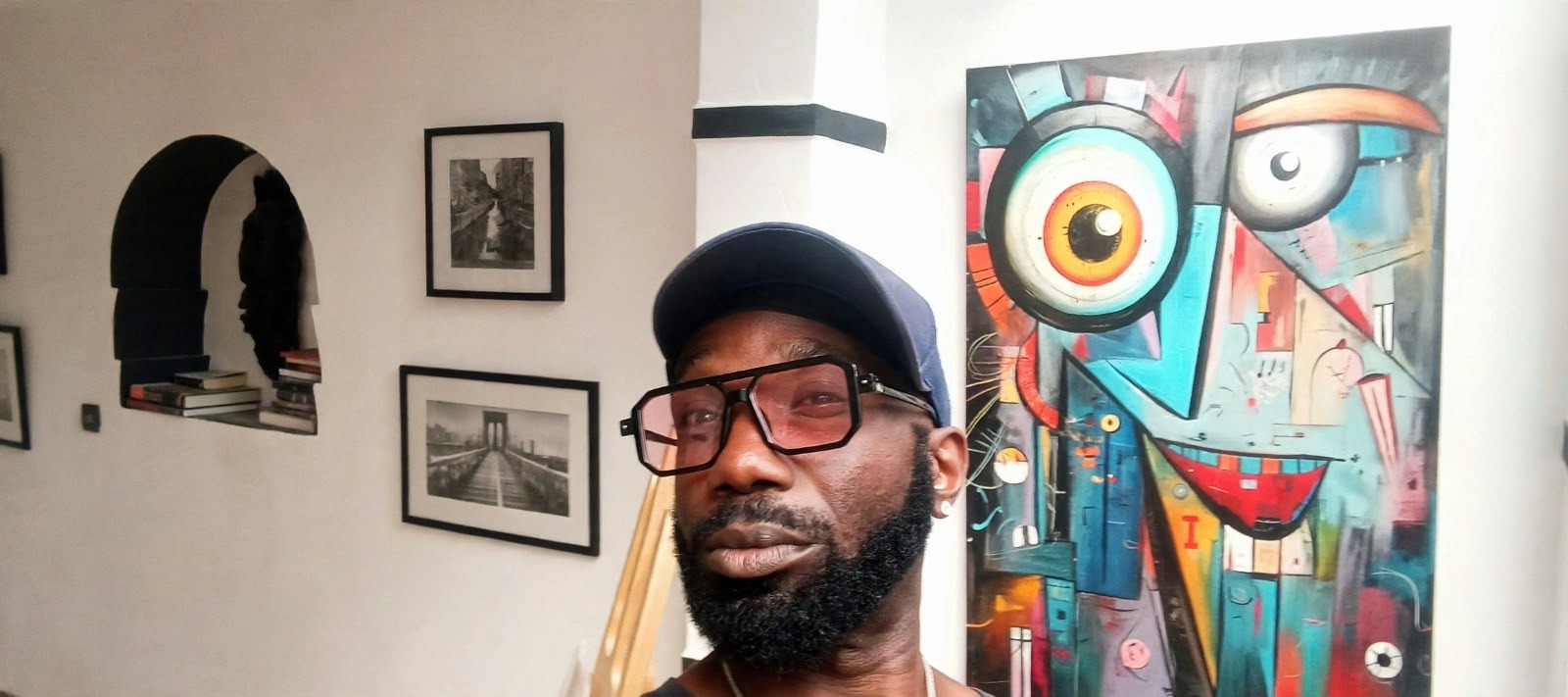
Then came Aourir — easily one of the most relaxing destinations I encountered during my time in Morocco. So much so, that it ended up being where I spent the most time. Primarily at the amazing guesthouse Dar Sanae Surf, where the hospitality and ambiance were unmatched.
For me, Aourir — better known as ‘Banana Village’ — is one of Morocco’s most underrated coastal escapes. Just north of Agadir, it offers the perfect balance of Atlantic beaches, rugged terrain, argan-covered hills and a slower, more authentic rhythm than some of Morocco’s busier resort destinations. I can spend the day walking the beach, taking in the surf, exploring the surrounding landscape or simply doing absolutely nothing — and sometimes that is exactly the point. With Taghzout, Agadir and Paradise Valley all within easy reach, Aourir is also an ideal place to unwind, recharge and then move on to explore other areas of Morocco’s Atlantic coast if that is your intention. For me, that combination of natural beauty, accessibility and laid-back local character is what makes Aourir feel like an undiscovered gem — and the kind of place you may not want everyone to know about.
Why Southern Morocco Feels Different
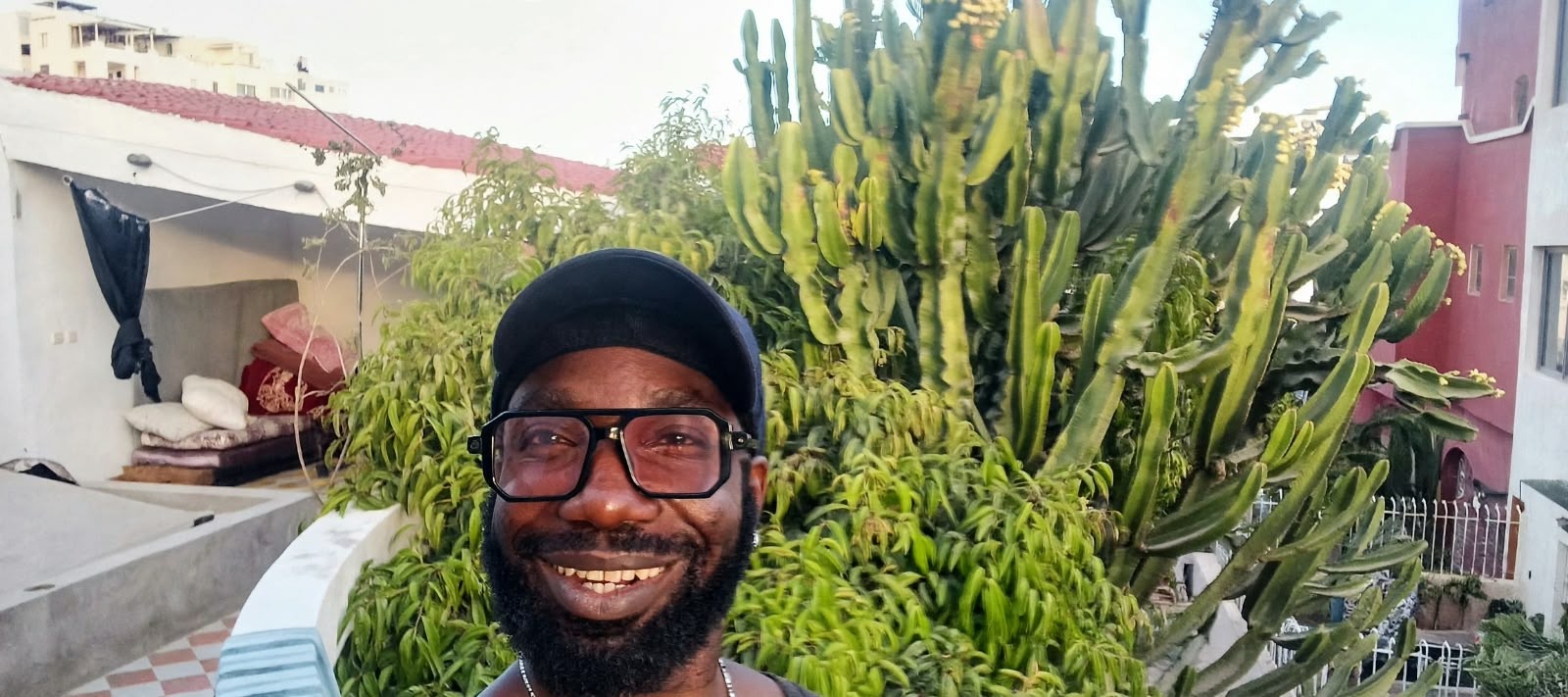
What makes this region so compelling is not simply the scenery — although it is extraordinary. It’s the sense that these places still belong primarily to the people who live there.
The cafés are not built exclusively for tourists.
The markets still function as local markets.
The beaches remain calm.
The pace remains slower.
There is space here to observe, wander, and actually absorb the culture rather than simply consuming it for content.
For travelers searching for a version of Morocco beyond the postcards, the southern coast offers one of the country’s richest and most rewarding experiences.
The Cultural Escape Continues
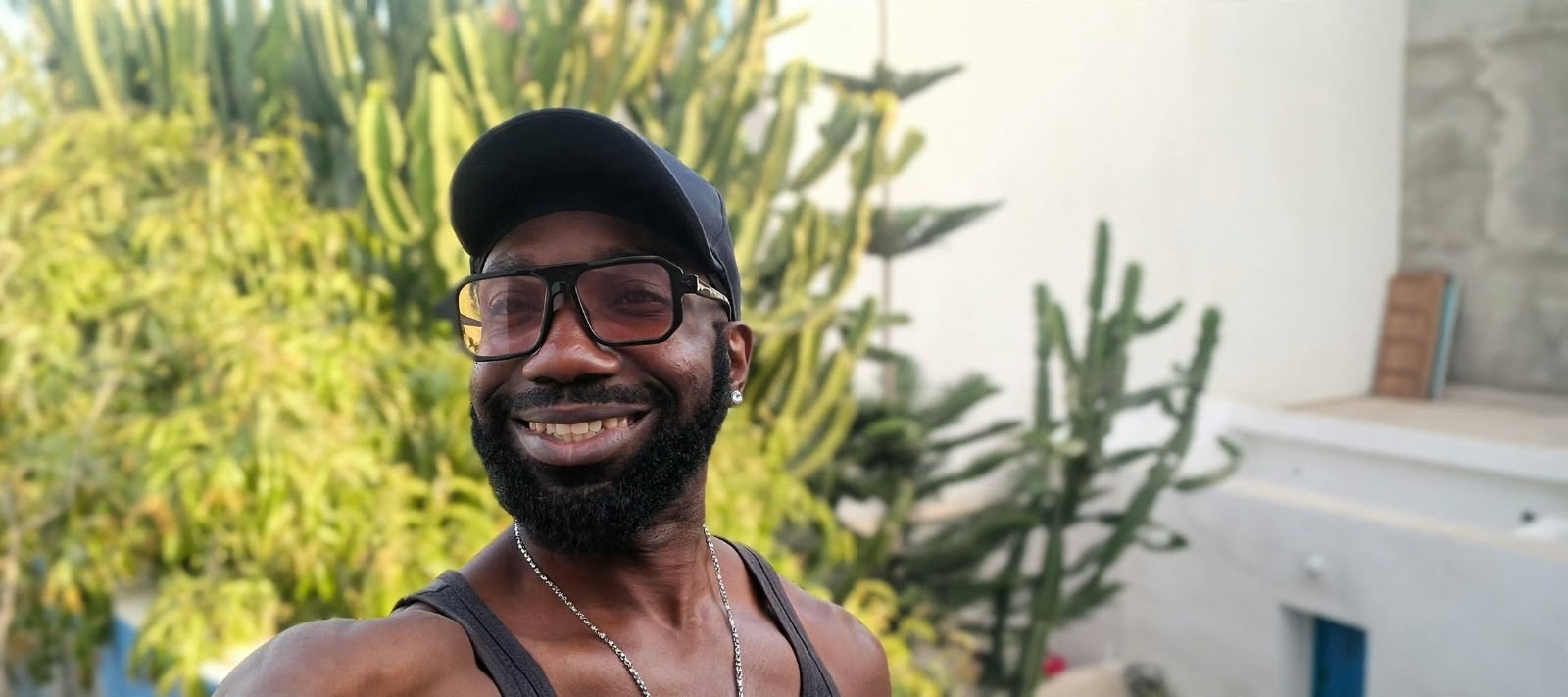
From Morocco’s Atlantic coastline to overlooked cities and hidden creative communities around the world, I continue documenting destinations that exist beyond the usual tourist narratives — focusing on culture, off-the-beaten-path authenticity, history, and the people who give these places their soul.
A published author and magazine writer, I’ve spent years documenting my travels across Asia, Africa and Europe through books and editorial features. Now, I’m bringing those experiences to TREMG through ‘The Cultural Escape’ series, exploring the places, cultures and hidden gems worth discovering. The journey continues…
About The Author


