
It was only a few years ago that it seemed the entertainment world was back to loving curves and women with them. Body positivity was the mantra echoed across magazine covers, runways, and red carpets. But that era, it seems, has already come and gone — barely lasting half a decade. In its place, a new, more dangerous trend has emerged. This isn’t your mother’s era of thin bodies, where bulimia and anorexia were mainly to blame. A new brand of thin that can only be attained through very expensive drugs has emerged, and with it the implication of what access and privilege can grant you. Just as certain plastic surgery procedures signal a certain brand of woman (think MAGA face), so too do GLP-1 drugs which signal status and an alleged elevated lifestyle that few can ever reach.
A Wonder Drug that Quickly Lost Its Luster
Ozempic and other GLP-1s entered the zeitgeist innocently enough, touted as the latest breakthrough in treating obesity and other issues affecting millions of people. The world saw as some of our favorite stars known for their zaftig figures (Oprah, Melissa McCarthy, Rosie O’Donnell) went down several dress sizes and looked younger, fitter, and healthier than they ever have before. There was no debate then as these people represented people who actually needed the drug.
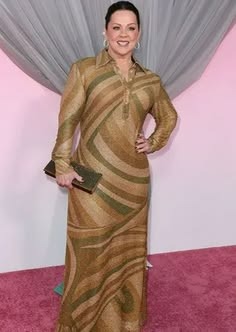
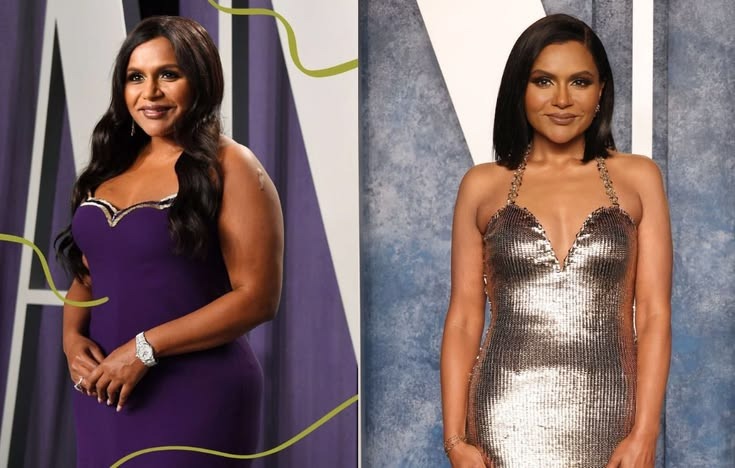
But then the whispers began as already thin Hollywood women were rumored to be on the drugs and then began showing upon red carpets with gaunt, skeletal frames that emitted gasps from audiences. Hollywood has quietly, and sometimes not so quietly, begun yet again to embrace a gaunt, skeletal aesthetic, fueled by the widespread use of GLP-1 weight-loss drugs. What was initially touted as a tool to enhance health and combat obesity has been repurposed by the entertainment industry into a weapon of self-destruction. Thin stars are using it to get even thinner, pushing their bodies to extremes that have fans and medical professionals alike sounding alarm bells.
The Negativity in Body Positivity
In a world where the name Kardashian is akin to a vapid bible, the next true luxury is perceived fitness and health. Gym memberships and boutique fitness studios now cost as much as a car note, while a haul of healthy, organic food looks more like a utility bill than a simple grocery trip. And with the job market the way it is — and has been — the financial strain is only half the battle. When it feels like the world is on fire, who honestly has the energy or time left to invest in working out?
But was body positivity ever really in or was it merely a phase to appease a certain demographic, a brief moment of performative inclusivity that the industry was never committed to sustaining? How many female A-listers are there who don’t fit into standard beauty norms? There was Adele — until she lost the weight and became a headline for it. And after her? The list is short to virtually nonexistent.
Any influencers or models who were championed as part of the body positivity wave were merely a passing fad, trotted out for a few campaigns before being replaced by the next trend. Where is Ashley Graham now? Who is paying attention to Lizzo these days? And now, with Ozempic ushering in the return of skeletal chic, the curtain has officially dropped. Body positivity wasn’t a revolution — it was a brief detour on the industry’s relentless march back to impossible standards.
The Gaunt Faces of an Alarming New Trend
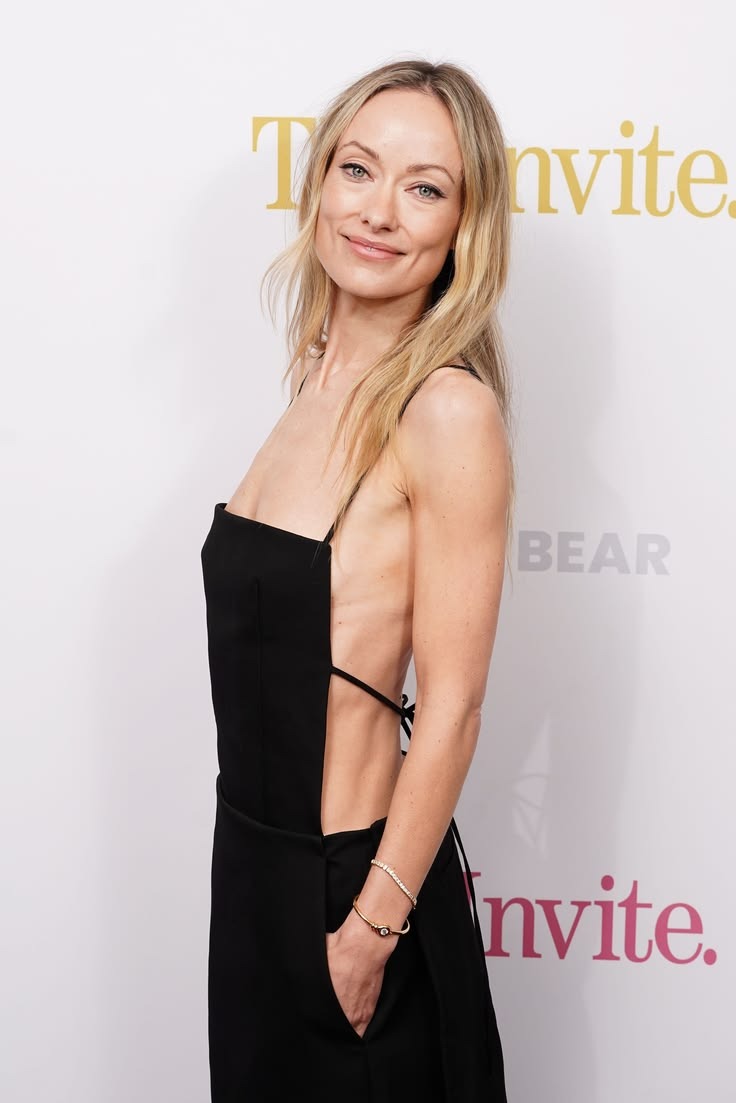
The public discourse around this issue was reignited recently when actress Olivia Wilde appeared at the San Francisco International Film Festival to promote her film The Invite. Photos and videos of the 42-year-old quickly went viral, not for her film, but for her noticeably gaunt appearance. Social media users and commentators expressed deep concern over her sunken cheeks, skeletal frame, and a generally unwell look. While Wilde has never confirmed using a weight-loss drug, she has become the poster child for what some are calling ‘Ozempic face’ — a drawn, hollowed-out look resulting from rapid fat loss. The concern extends beyond Wilde as stars like Ariana Grande, Kelly Osbourne, and Demi Moore have also sparked comments noting their skeletal frames.
Skeletal Chic as the New Status Symbol of the 1%
This trend is about more than just appearance; it’s about status. In Hollywood, image is currency, and Ozempic has become the whispered secret of the 1%. It’s the ultimate sign that you have the connections and disposable income necessary to access the latest miracle drug.
It’s a new form of conspicuous consumption, signaling that you are in the know, part of an exclusive club that can afford to cheat the system. Everyone covets the look of the 1%, and this drug is the easiest way to achieve it. A new study by drinktmrw.com analyzes how all 50 states are searching for no-doctor, online subscriptions to GLP-1s, and these alarming statistics signal a slew of new problems that are sure to rise from the requests.
But at What Cost?
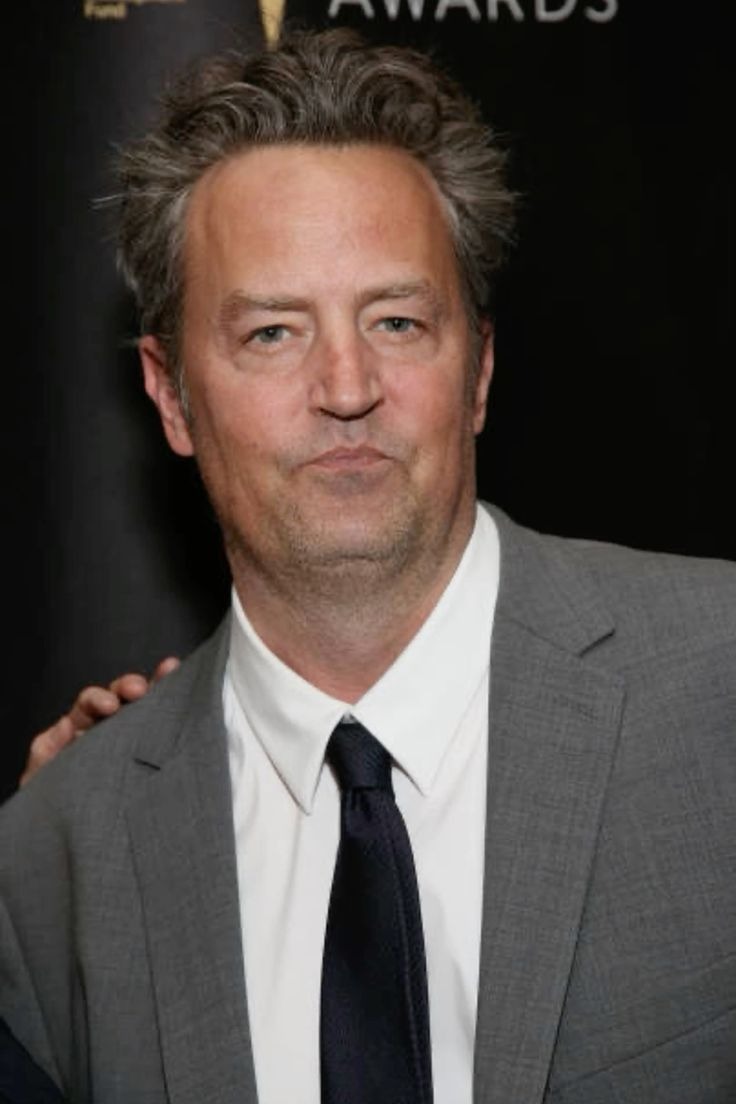
With Matthew Perry’s death still relatively fresh in our memories, the question still must be asked: who are the doctors prescribing these drugs to people who have no medical need for them? When an already thin actress comes in for a weigh-in and is down to a dangerously low weight, what doctor says, “Let’s keep this going”?
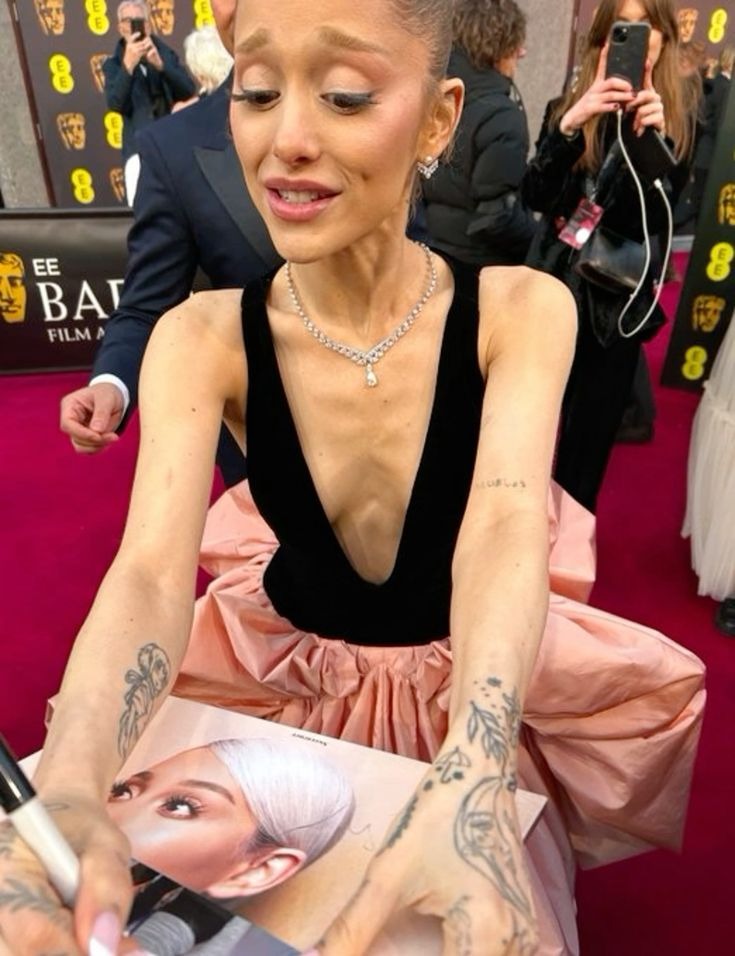
This isn’t health. This is the manifestation of mental illness on a public stage, pushed to extremes by an industry that demands perfection, whatever the cost. We are facing a dire crisis. The “thick is in” trend has evaporated, replaced by a new, impossible metric that young people will inevitably measure themselves against. Ozempic was designed to help, but in Hollywood, it has been twisted into a tool of destruction. The whispers of the 1% have become a roar, and the silence from the industry on the dangers of this trend is deafening.
About The Author


