
These days, it is hard to find celebrities to respect and admire as they are getting rarer by the day. But there are a select few who are revered as family.
For generations of Black people, Dolly Parton was one of those people – our Auntie.
And let’s just say it plainly: Dolly Parton was a whole-ass white woman from Tennessee. Rural Tennessee. Deep Bible Belt. Born into poverty in 1946 and raised in a world where racial divisions weren’t theoretical — they were woven into the fabric of American life.
And the moment Dolly stepped on the scene, she demonstrated what we all knew was possible, but she more importantly held up a mirror to white people to challenge them through her actions more than her words.
That white people could know better. White people could do better. White people could choose humanity.
Dolly Parton left this mortal plane yesterday after a brief battle with cancer, and chile?
The world is going to feel different without her.
Dolly was never particularly interested in being anybody’s political mascot. She was not interested in towing the party lines of the state she was born in that tried early on in her career to force her light into the darkness of oppression.
She famously managed to maintain relationships across political and ideological lines while repeatedly making her own position on human dignity clear. When #BlackLivesMatter became a defining national conversation in 2020, Dolly didn’t hide behind ambiguity. She said, “Of course Black lives matter.”
That mattered.
Because Dolly came from a place and generation where she could have very easily decided that other people’s problems weren’t hers. She had the bank account necessary to build a wall around her to never have to hear or see any of it.
Yet, she kept choosing people.
All people.
Black people. White people. LGBTQ+ people. Poor people. Children. Disaster victims. Folks who needed a hand and didn’t necessarily have the luxury of asking loudly.
She didn’t need a hashtag to tell her who deserved humanity.
Dolly knew.
And Dolly did.
Rock Star Level Philanthropy — Yet She Moved in Silence
Dolly’s generosity wasn’t some occasional celebrity photo opportunity.
It was an entire operating system.
Her Imagination Library has distributed more than 300 million books to children around the world. She established the My People Fund after the devastating 2016 Tennessee wildfires, providing monthly assistance to families who lost their homes. After Hurricane Helene in 2024, she personally donated $1 million to relief efforts, with her businesses matching that contribution with another $1 million. She also donated $1 million toward research that helped support development of the Moderna COVID-19 vaccine.
And here’s the thing:
She didn’t make every act of generosity a damn press conference.
Her philanthropy was in all caps, but her ego wasn’t.
Dolly simply seemed to believe that if you had enough, you gave enough.
That’s a radical concept in an America where some people will write a six-figure check and then need three television cameras, a press release and a building named after them. Most of your favorite celebrities include philanthropy as part of their PR pyramid scheme, not because they actually care. But Dolly?
She would cut the check and keep moving.
Beauty, Brains and Undeniable Moxie
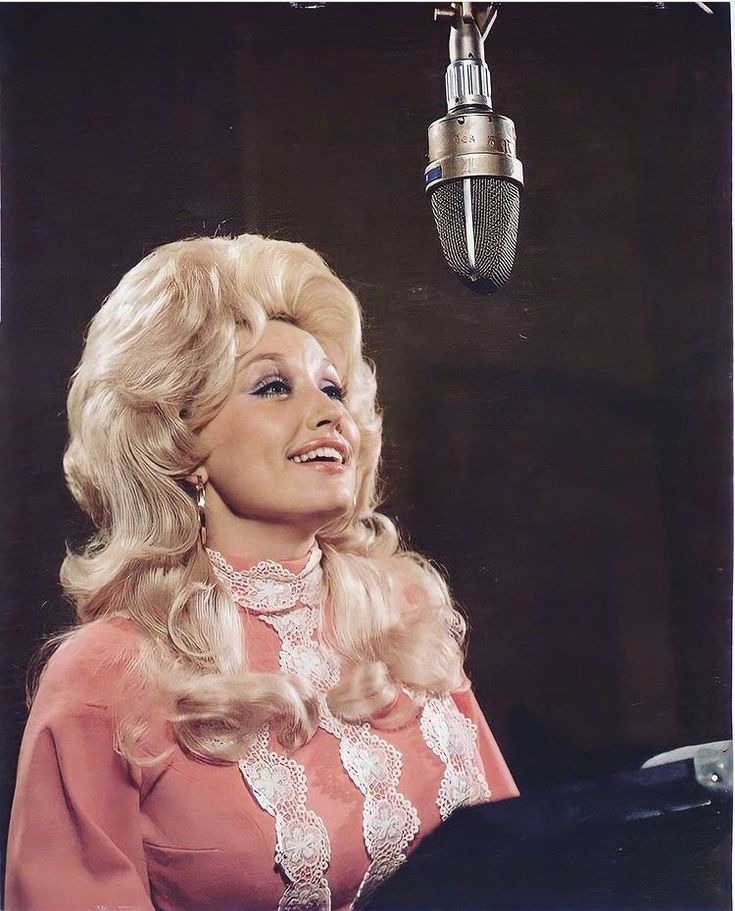
Let’s not ignore the obvious either: Dolly Parton was fine. A face card that never declined, not even on her deathbed.
Had she wanted to coast on beauty, charisma, curves, wigs and rhinestones, nobody could have blamed her. It is the standard M.O. both now and then. Dolly understood her image and turned femininity, glamour and humor into an empire.
But Dolly wasn’t merely pretty.
She was formidable.
In an entertainment industry that routinely chewed women up and spit them out, Dolly walked into rooms filled with men and somehow managed to leave with the room knowing exactly who she was.
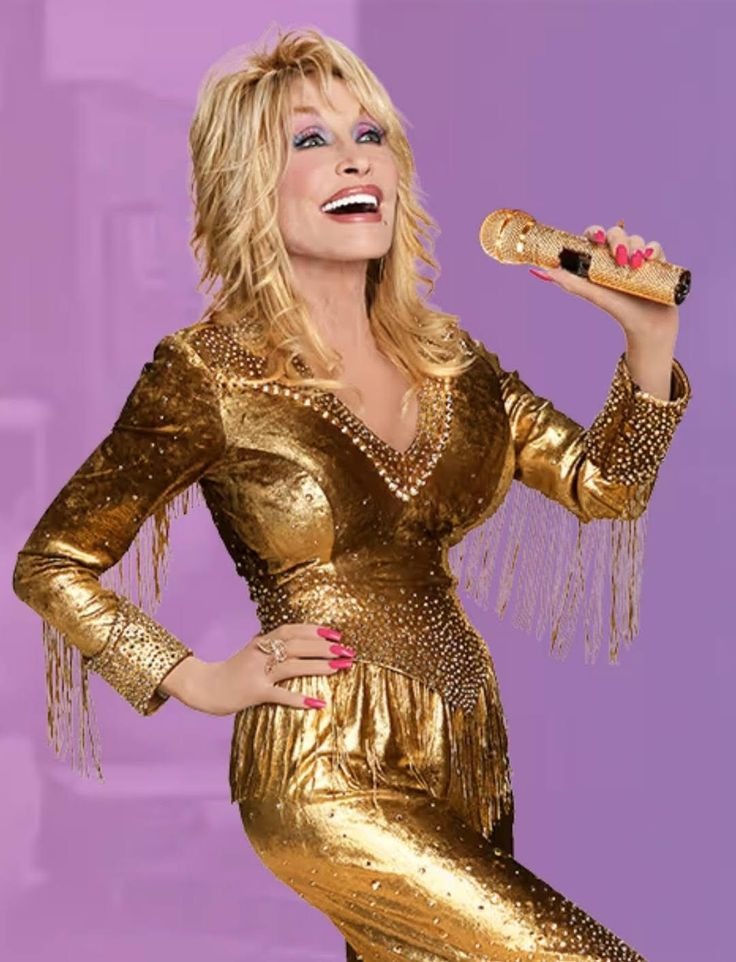
She built businesses. She wrote songs across all genres. She owned her masters. She became a producer, actress, entrepreneur and cultural institution. She created Dollywood. She built the Dollywood Foundation. She turned her childhood experiences into art and her success into opportunity. She took care of her family from siblings on down to cousins both near and distant.
And when she opened a door?
She didn’t slam it shut behind her like many white women of her time were called out for doing time and time again.
She held that damn door open.
For children.
For women of every hue.
For working people.
For communities.
For people who didn’t look like her.
That is one of the most extraordinary facts about Dolly: her success did not require someone else to fail.
She ate.
And then she made damn sure no stomachs rumbled in her presence.
Dolly Set a Standard for White America
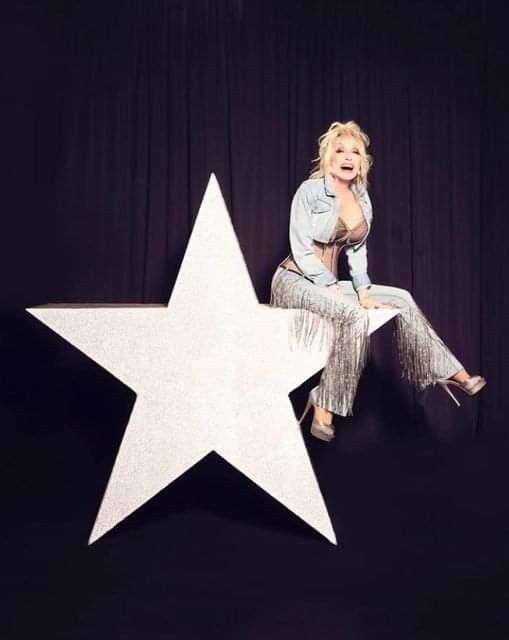
This is where her relationship with Black America becomes particularly important.
There were a handful of white women Black people collectively seemed to love down: Jane Fonda. Betty White. Dolly Parton.
Different women. Different careers. Same agenda.
There is something interconnected between them: they demonstrated, in their own ways, that whiteness did not have to be an excuse for indifference.
Dolly was particularly powerful because of where she came from.
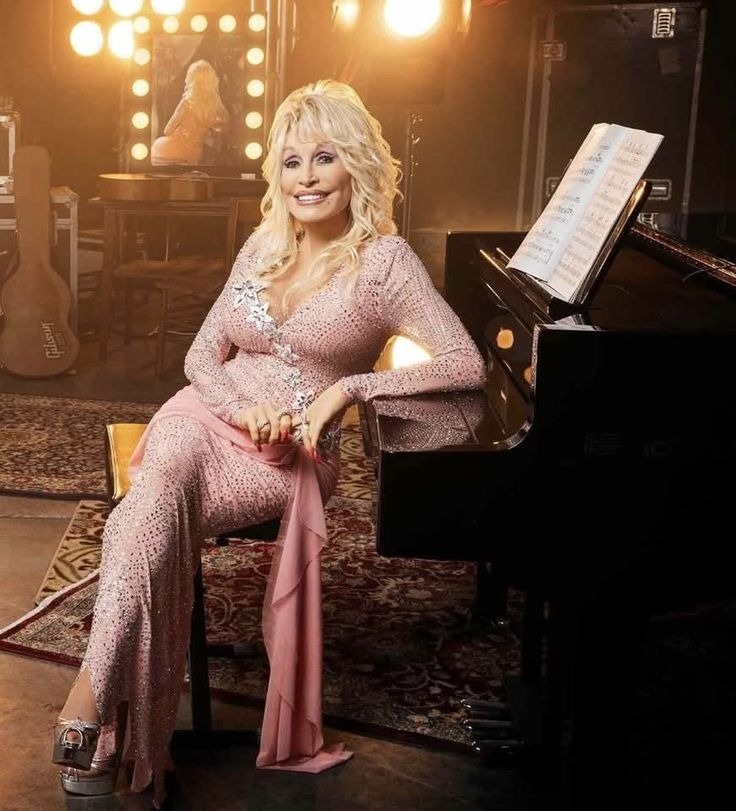
She wasn’t some coastal progressive who grew up surrounded by people telling her the world needed to change.
She came from rural Tennessee and she still got there.
She still understood that Black lives mattered. She didn’t have to grow up around them to know this.
She still showed compassion across racial and cultural lines.
She still used her considerable resources to help people.
And that forced a question that Black Americans have been asking white America forever:
If Dolly could figure it out, what’s your damn excuse?
That’s the standard she leaves behind.
Not perfection.
Decency.
Not political purity.
Humanity.
Not performative allyship.
Action!
The World’s Angel
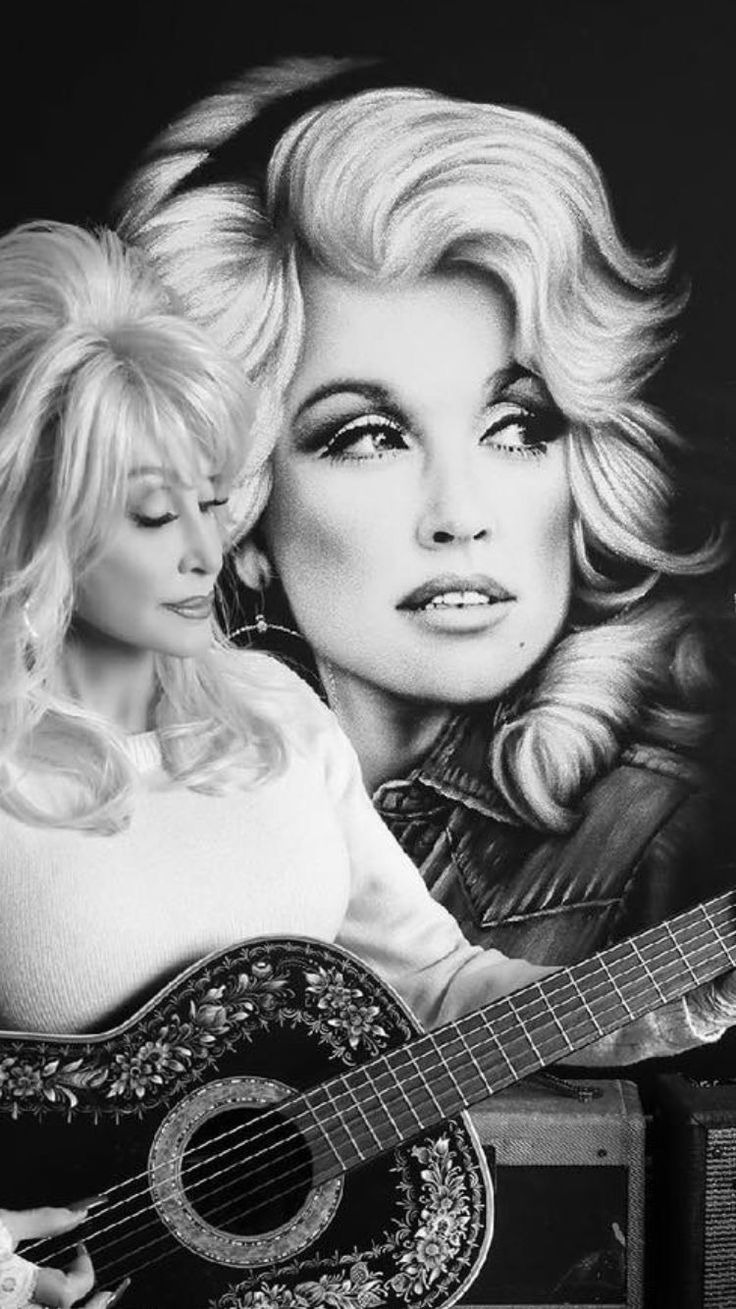
Humanity like Dolly’s is rare.
And in her passing, I suspect we’ll discover just how unusual it is to have somebody so universally recognizable who could inspire affection across generations, races, political identities, continents and cultures.
She was kind.
She was courageous.
She had moxie.
She was funny.
She was glamorous.
She was ambitious.
And she was extraordinarily gifted.
But perhaps the greatest gift Dolly gave us was her artistry.
Her music carried light, laughter, heartbreak, desire, humor, faith, resilience and love. Songs like “Jolene,” “9 to 5,” “Coat of Many Colors” and “I Will Always Love You” became part of the cultural bloodstream, crossing generations and genres. Her work ultimately helped make her one of the most commercially successful and enduring artists in music history.
I remember exactly where I was when I heard of Michael Jackson’s passing. Of Aretha Franklin’s passing. Of David Bowie’s, Tina Turner, and now Dolly.
I have never even imagined a world where Dolly Parton wasn’t in it. Somehow, she seemed the eternal sunshine in a presently bleak and shattered world.
That’s the part I’m having trouble wrapping my head around. I went to bed in tears, and I woke up this morning to tears.
Because now I – we – have to live in a world without her in it.
For those of us who loved Dolly particularly hard, there’s another truth worth saying aloud:
Dolly set a standard.
She showed Black people that there really could be white people who didn’t require us to beg them to see our humanity.
She didn’t just talk the talk.
She walked the walk.
She reached back.
She held our hands.
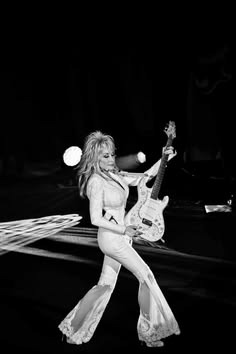
So if Dolly Parton — a white woman from Tennessee, of that generation, from that part of America — could love us down and without issue, then I refuse to accept anything less from anybody else.
Dolly showed us what was possible.
And that is why we will miss her.
That is why we will remember her.
Rest in Power, Dolly. You Were America’s Angel, but for Black people, you will always be our Auntie.
We will always love you.
About The Author


