
In fashion, there are moments of quiet minimalism and moments of necessary noise. We are living through the latter. The summer of 2026 took our loudest angel. Bob Mackie, the ‘Sultan of Sequins’, the architect of American excess, has taken his final bow at 87. If that is not a cosmic shift in the sartorial universe, nothing is.
Mackie to the Max!
For seven decades, Mackie didn’t dress women — he coronated them. Cher in that sheer, crystal-dripping 1986 Oscar moment. Tina Turner in fire. Diana Ross in pure light. Carol Burnett as Scarlett, curtains and all. Among his many iconic collaborators was the Baroness of Bling herself, Dolly Parton, a diva who knew exactly what to do with a Mackie rhinestone.
Mackie invented BIG fashion before anyone had the language for it. More sequins. More feathers. More flesh. More fantasy. More more! He proved that glamour was not frivolity — it was armor, it was protest, it was power.
His death makes the assignment now clearer than ever before: dig your collective heels in. Go bigger. Blingier. More baller is the only acceptable style direction at the moment.
Bob would settle for no less. In his honor, a return to full-on va-va-voom veracity is in order.
Bob Mackie — The Man Who Understood That Clothes Should Never Have Whisper
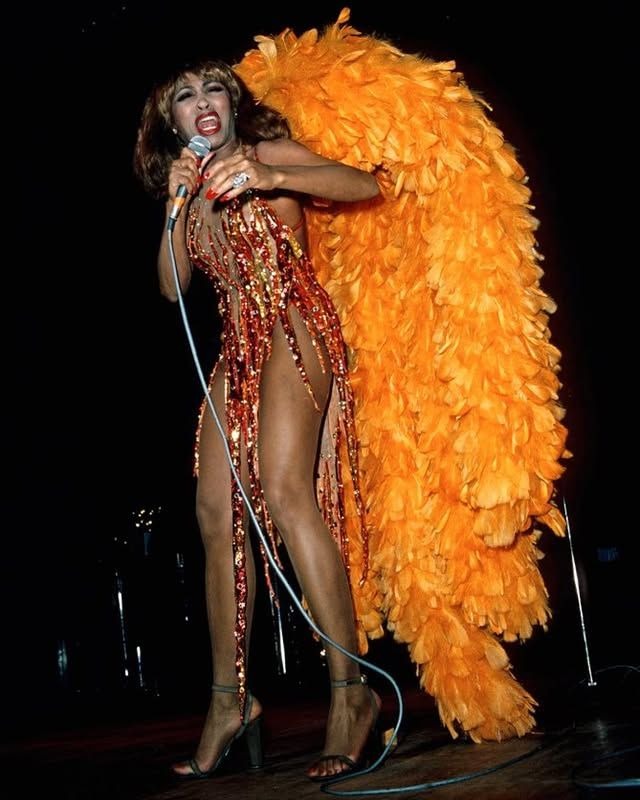
Bob Mackie, arguably the titan costume designer in the history of modern fashion, was a world-builder. Born March 24, 1939 in Monterey Park, California, Mackie worked at Paramount Studios until 1963, where he built a seven-decade fantasy universe of sequins, feathers, sheer fabrics, and disruptive elegance.
Known as the “Sultan of Sequins,” and the “Guru of Glitter” for good reason, his client roster reads like a hall of fame induction every night: Marilyn Monroe, Carol Burnett, Diana Ross, Tina Turner, Whitney Houston, Elton John, Taylor Swift, Miley Cyrus and, of course, Cher.
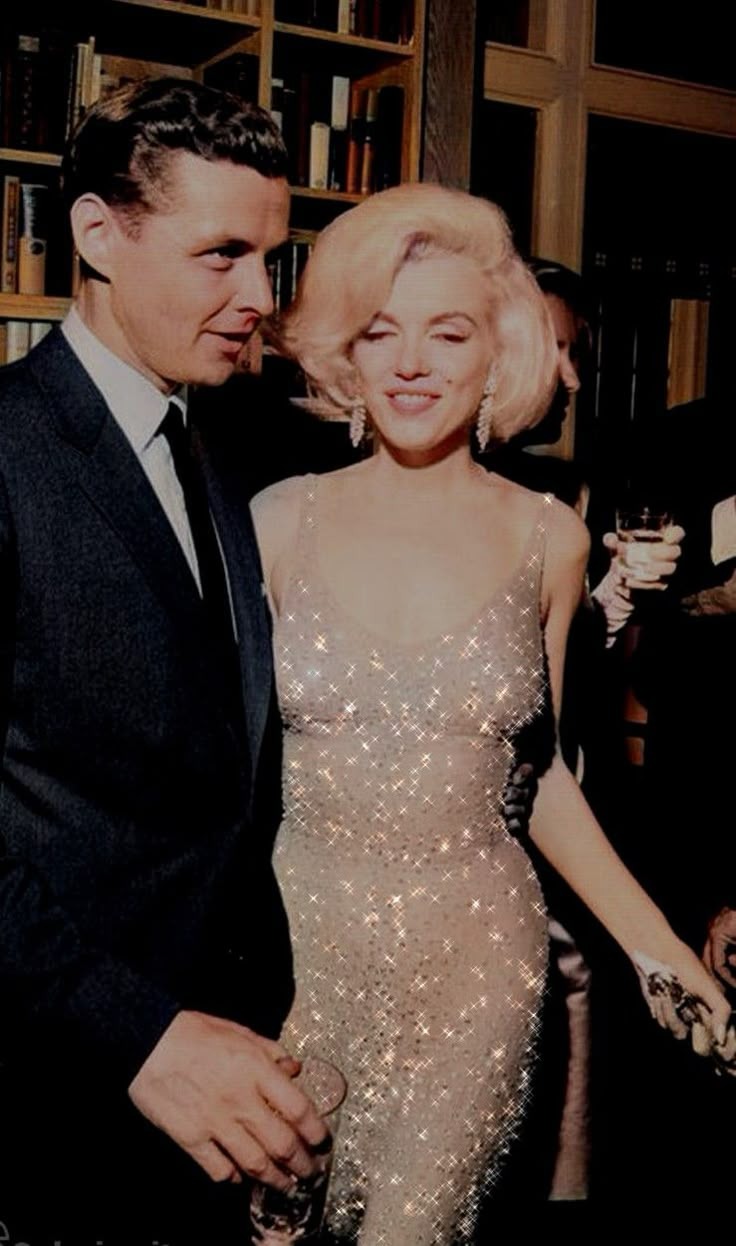
Mackie was the mastermind behind Marilyn’s flesh-toned, rhinestone-covered “Happy Birthday, Mr. President” dress — the dress that proved a woman could sing to the most powerful man in the world and make power blush. He showcased The Queen of Rock, Tina Turner, in short frocks that mesmerized audiences across the four corners of the earth. But his great love affair and collaborative partner was Cher. From the 1974 Met Gala illusion to the towering feathered headdress at the 1986 Oscars, he gave the diva armor that was the epitome of visual decadence.
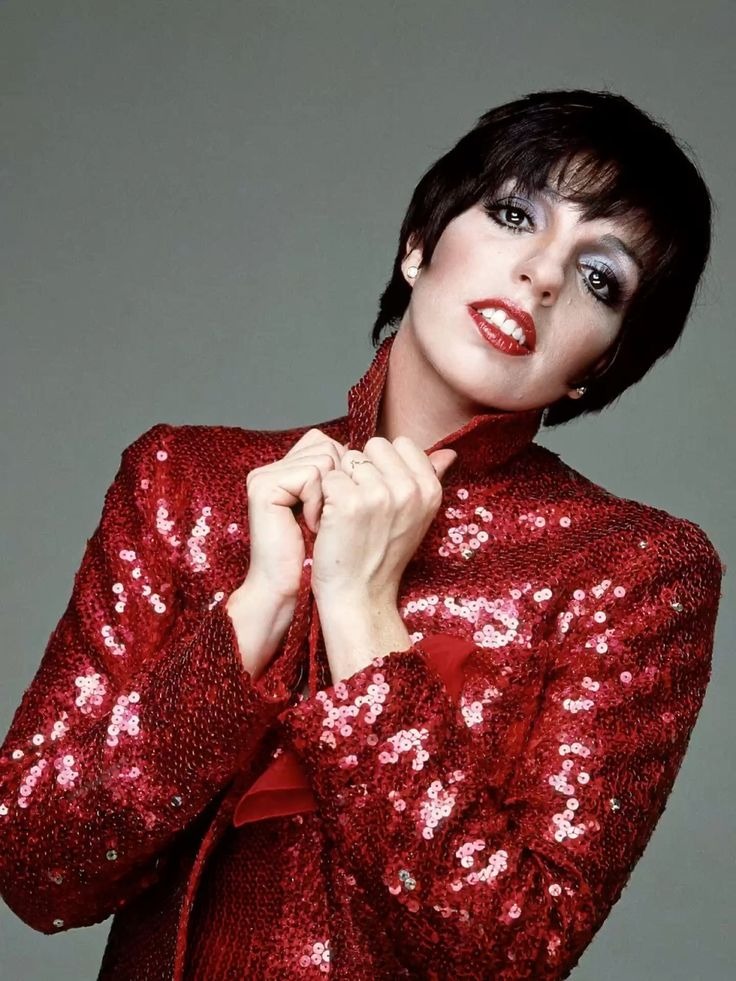
The Mackie philosophy was simple: design for people who dared to be noticed. With every stitch and through every hem, he truly loved commanding women who refused to be boxed in by societal norms.
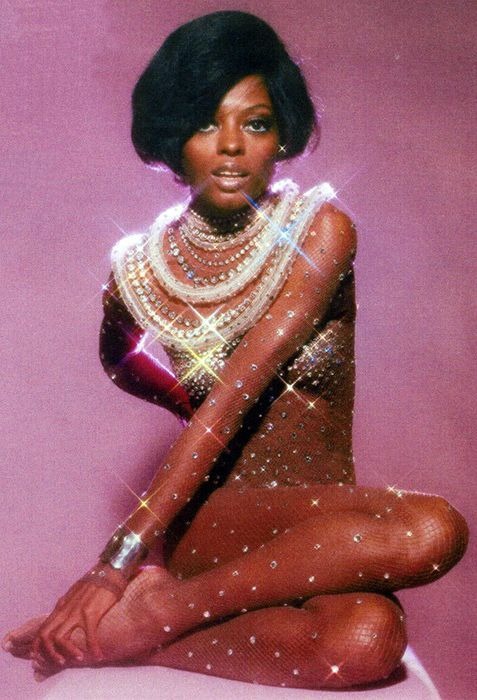
A sheer bodysuit covered in 10,000 crystals?
No problem.
Carol Burnett in a curtain rod dress?
Done.
Liza Minnelli in sequined tuxedos?
Marvelous.
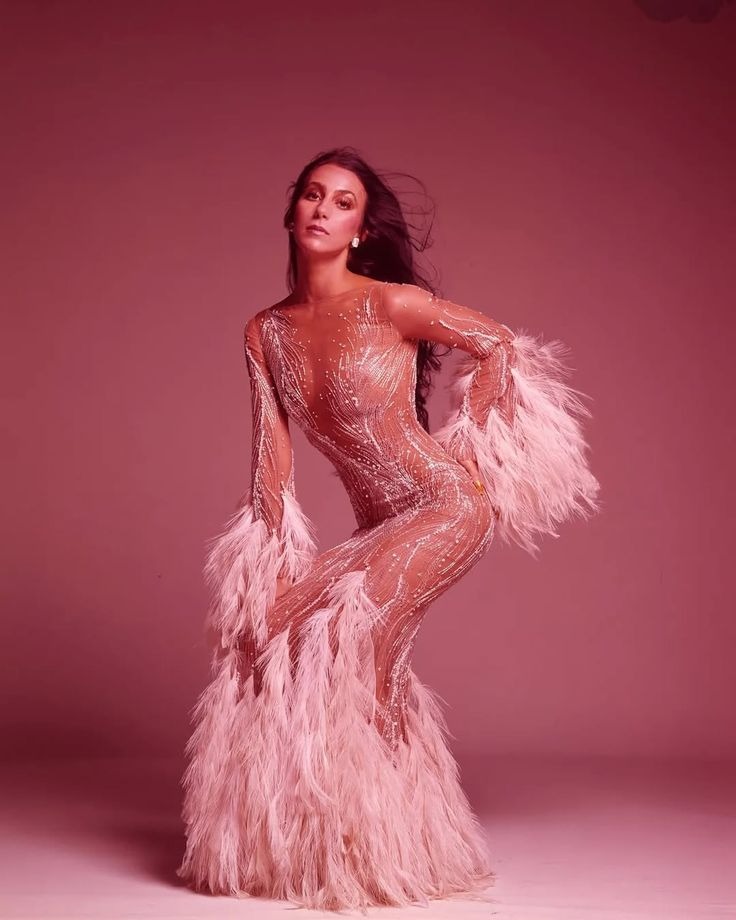
Mackie’s clothes were engineered for joy — corsets meant to lift, not confine; nudity that illustrated, not exposed. When he dressed other divas like Diana Ross, Dolly Parton, or Judy Garland, he understood the assignment from start to finish: he was dressing legends.
The Mantra of More!
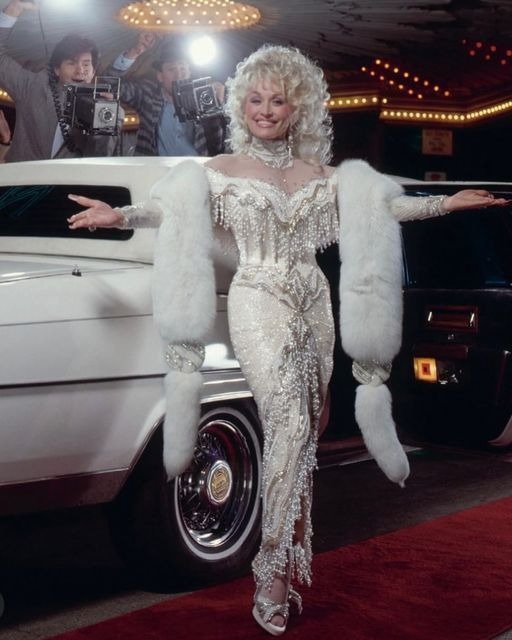
If Mackie gave us the blueprint, Dolly Parton lived in the house, redecorated it pink, and added a butterfly decal to every surface. When it came to fashion, Dolly had a mantra that persevered until her dying day, and she refused to take a single day off from glamour. She was the high priestess of Bigger, Better, Faster, MORE. More hair — teased to heaven and then an inch higher. More sparkle. More sequins. More story. She turned the Appalachian coat of many colors into couture, turned wigs into crowns, turned a 5’0″ frame into a skyscraper of femininity that could be seen from space. What would Dolly do?
The absolute most!
She understood what minimalists miss: excess is not vanity; it is generosity. When you walk into a room looking like a disco ball wrapped in a love letter, you are giving everyone else permission to look too. From her early performances at the San Antonio Stock Show Rodeo in 1970 to her final decade of philanthropy, Dolly’s flamboyant style fit the Western ethos to a T — which is to say, it fit the American ethos. She was never ironically glamorous. She was devotionally glamorous. The lashes were false. The heart was not.
When The World Goes Left, Go Right — Into The Spotlight
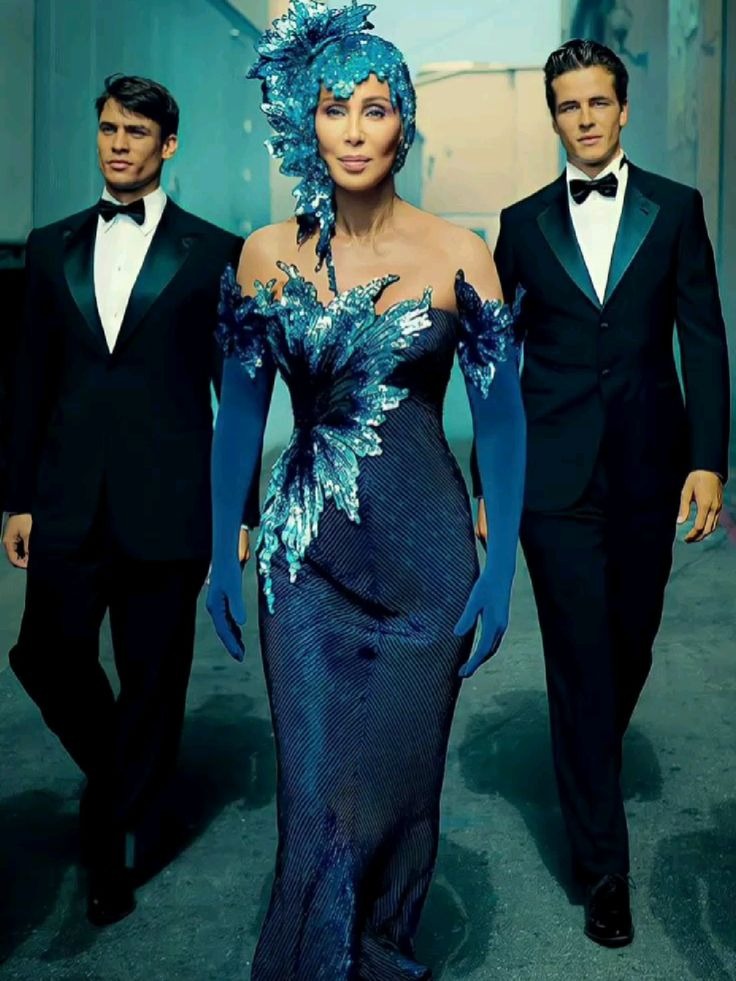
Mackie and Parton died within a week of one another, and as they collect sequins in heaven, their lessons in fashion live on for eternity. When the world goes beige — economic anxiety, algorithm-driven athleisure, quiet luxury that whispers so softly it disappears — the counterbalance is not more beige. It is vibrant, colorful noise. When the world goes left into recession-core, we go right into the rhinestone store. Balance in fashion, like balance in astrology, requires an opposite force.
For Women: The Mackie Axis
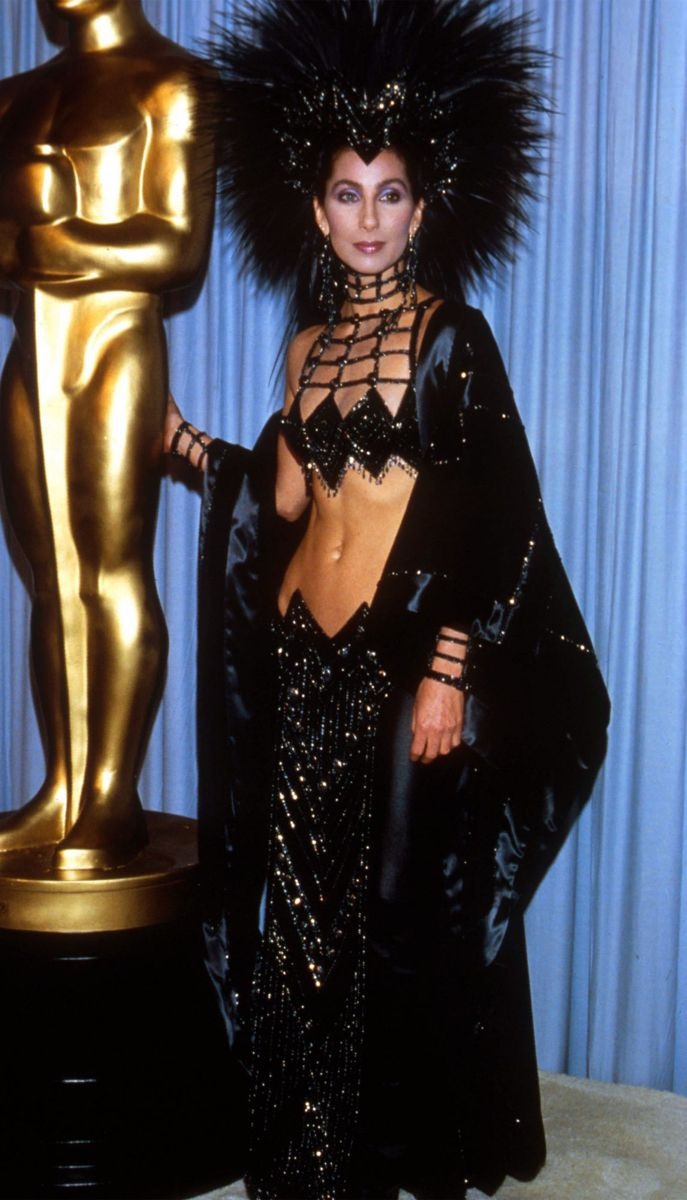
The Mackie is all about engineering, where illusion meets architecture — that sacred trick perfected for Cher. The return of the true illusion gown: a whisper of nude mesh, completely blinged out in crystals, but with a ruthless, couture corset doing the heavy lifting underneath. It’s Cher’s 1986 Oscar moment re-imagined for 2026 — the rhinestone lattice 3-D printed, the feathers sustainably grown, the body both revealed and entirely supported. This is how Mackie loved women: he never asked them to hold their breath. The dress does that for them.
By day, consider an ode to Dolly in full va-va-voom diva mode. Picture it: a fully crystallized Canadian tuxedo, butterfly-cut jeans, a western yoke so heavily rhinestoned it catches the fluorescent lights in Tesco. And yes, the towering platinum wig worn unapologetically to buy milk. Dolly taught us, and Mackie enforced it — hair is not an accessory; hair is a hat. Treat it as millinery. Treat it as the mood.
And by night, unleash Tina. The fringe explosion — the dress that enters the room before you do. Thousands of strands of jet and crystal bugle beads, each one cut to move like liquid, creating wind in a still room. This is the Mackie finale test: if you are not setting off the metal detector, the mission is simply not complete. Go back to the drawing board and do Miss Turner proud.
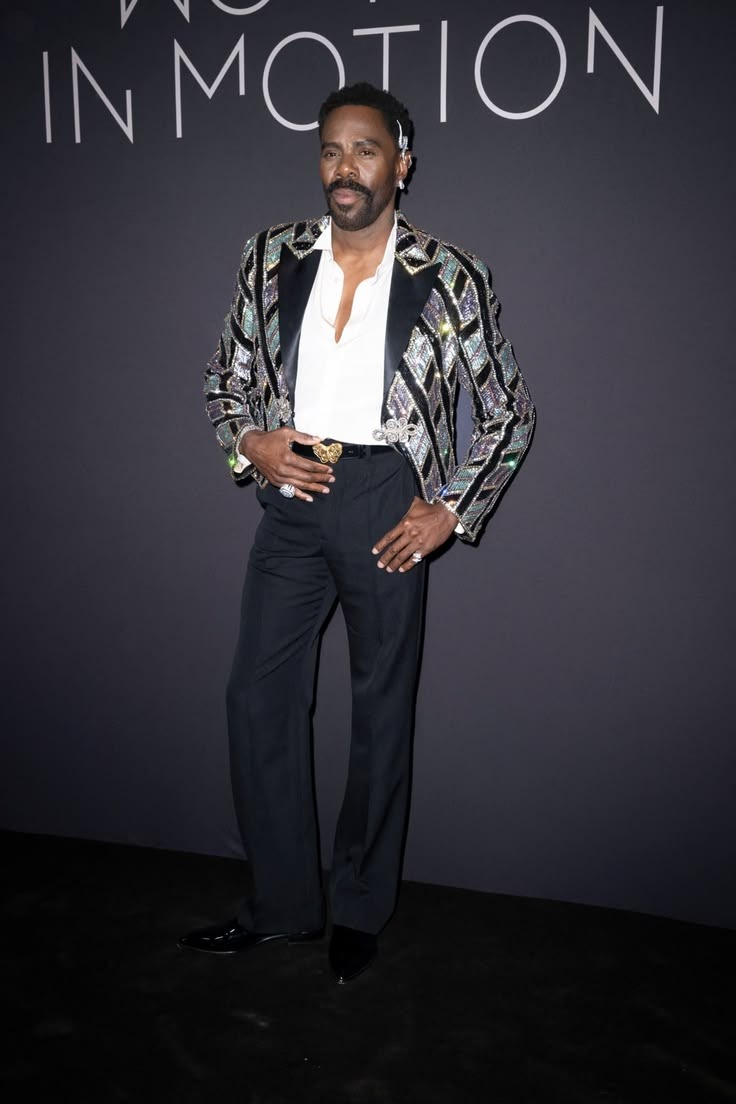
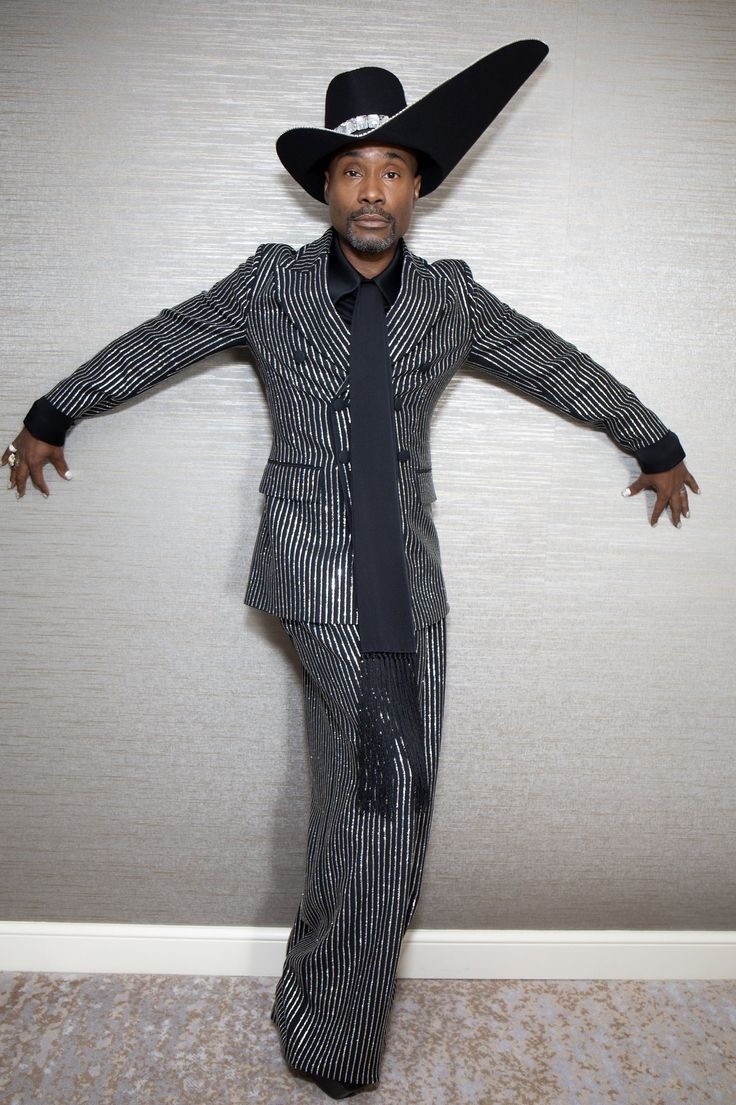
For Men: The Liberated Peacock
Men have been starved of pomp for too long. For the boys, Mackie never believed in the quiet luxury of disappearing. Why should the girls have all the armor?
Consider ‘The Rhinestone Cowboy Tuxedo’. Classic black wool, cut sharp as a knife, but every lapel, every pocket, every boot-stitch meticulously outlined in pink crystals. Not sprinkled. Outlined, like a blueprint of where the light should hit. Wear it with a bolo tie that isn’t a bolo tie at all, but a single, massive Swarovski butterfly at the throat. It says: yes, I am a cowboy. Yes, I know where the Met Gala is.
Then, ‘The Sheer Armor Shirt’ — Mackie’s great trick for Cher, remastered and re-gendered. A sheer chiffon shirt, nothing underneath but confidence and whatever chest workout you’ve been doing. Across the pectorals, strategically placed embroidered chains and soft, inky feathers form a breastplate — not to cover, but to frame. Mackie always understood that sheer is not nudity; it’s negotiation. This is the shirt that makes a man stand up straighter.
Finally, ‘Full Feathers at Noon’. Why reserve feathers for showgirls at midnight? A bomber jacket — not satin, not nylon, but completely swallowed in ostrich feathers. Pair it with ruthlessly tailored trousers and wear it midday for the glory of it all. Make the meeting memorable. Make them remember you. This is the Mackie doctrine for men: if you are going to take up space, be the reason the room looks better for it.
The point is not costume. The point is presence through opulence. Mackie taught us that getting dressed can be a political act, a spiritual act, a love letter to the little girl or little boy who wants to be seen.
The Closing Argument: Keep The Light On
The greats leave, but they leave the lights on. In the case of Bob Mackie and Dolly Parton, they left every light on — chandeliers, marquee bulbs, sequins catching a spotlight from 1974 to eternity. The ultimate tribute is not mourning in black crepe, though we will. It is refusing to dim.
So tease the hair higher. Sew the extra crystal. Wear the feather to the bodega. In a universe that has just lost two of its brightest stars, the only way to keep things in balance is to become a little brighter ourselves.
About The Author


